



18:30 Uhr, GW2, B3009
Ethnographic Research on the Far Right
Wissenswertes
Forschungsstelle Osteuropa
Die Forschungsstelle Osteuropa (FSO) ist als An-Institut eine außeruniversitäre Forschungseinrichtung an der Universität Bremen. Sie wird gemeinsam von der Kultusministerkonferenz und dem Land Bremen finanziert. Im Jahre 1982 mitten im Kalten Krieg gegründet, versteht sich die FSO heute als ein Ort, an dem der Ostblock und seine Gesellschaften mit ihrer spezifischen Kultur aufgearbeitet sowie aktuelle Entwicklungen in der post-sowjetischen Region analysiert werden.
Aktuelle PressebeiträgeBASEES Condemns Russia’s Classification» weiterlesen „Wir wollen uns wehren“ » weiterlesen |
Aktuelles aus Forschung & ArchivDie Überwachung der FSO durch die Stasi» weiterlesen Analyse: Wie geschwächt sind die ukrainischen Oligarchen? » weiterlesen |
Archivale des Monats
„Sehr geehrter Herr Doktor!“
Zum 90. Geburtstag von Václav Havel (1936-2011)
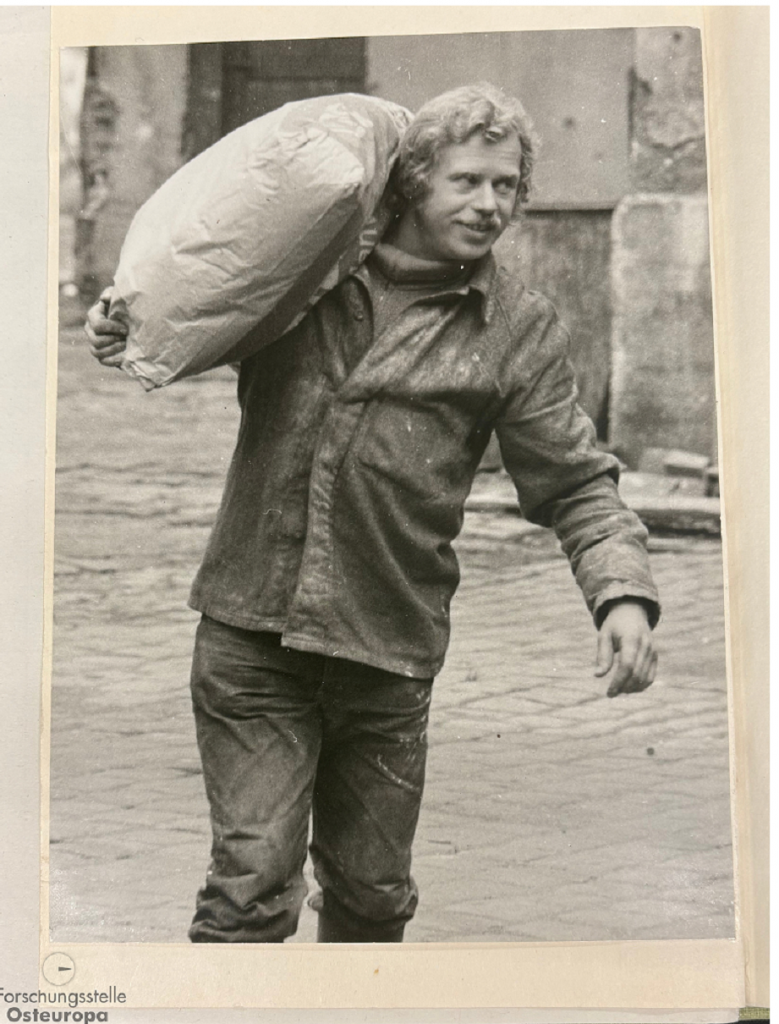
Václav Havel 1974 Archiv der Forschungsstelle Osteuropa, Foto: Muriel Nägler.
Ein frohgestimmter Mann in Arbeitskleidung, Gummistiefeln und mit einem schweren Sack über der Schulter bewegt sich auf die Kamera zu. Das Schwarz-Weiß-Foto von 1974 zeigt Václav Havel nicht als gefeierten Schriftsteller oder späteren Staatspräsidenten, sondern als Arbeiter in einer Brauerei. Zu diesem Zeitpunkt stand er unter Beobachtung der Staatssicherheit, durfte seine Theaterstücke nicht aufführen und war aus dem öffentlichen Leben weitgehend ausgeschlossen.
Havel hatte sich in der Brauerei von Trutnov selbst eine Hilfsarbeiterstelle gesucht – weniger aus Geldnot, sondern um der erzwungenen Isolation zu entkommen. Aus dieser Erfahrung entstand die Figur des Ferdinand Vaněk, Havels dramatisches Alter Ego, das wie sein Schöpfer in einer Brauerei arbeitet. Ein Jahr später, im April 1975, verfasste Havel seinen berühmten offenen Brief an den Generalsekretär der Kommunistischen Partei der ČSSR, Gustáv Husák.
Auf 28 Seiten analysierte er die tschechoslowakische Gesellschaft nach der Niederschlagung des „Prager Frühlings“. Havel beschrieb ein System, in dem Menschen aus Angst, Bequemlichkeit oder Anpassung eine offizielle Wirklichkeit mitspielten, an die sie selbst nicht mehr glaubten. „Statt Ereignisse werden uns Pseudoereignisse geboten“, schrieb er über die Ritualisierung des öffentlichen Lebens durch Jahrestage, Feiern und Paraden. Besonders scharf kritisierte er die Unterdrückung der Kultur, da sie die gesellschaftliche Erinnerung und die Fähigkeit, sich eine andere Zukunft vorzustellen, zerstöre. Havel forderte die politische Führung auf, ihre „historische Verantwortung“ zu erkennen und entsprechend zu handeln.
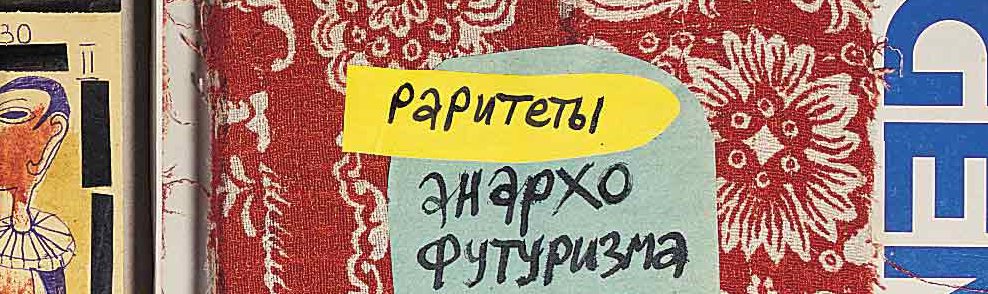
Für Havel war der Brief ein persönliches und politisches Wagnis. Husák antwortete nicht selbst, sondern ließ ihn als „Angriff gegen den Tschechoslowakischen Staat, die Partei und das Volk unseres Vaterlandes“ zurücksenden. Zugleich gelangte der Text in den Westen und wurde international verbreitet. In der Tschechoslowakei kursierte er unter dem Titel „Vážený pane doktore!“ („Sehr geehrter Herr Doktor!“) nur im Untergrund – etwa in der vorliegenden Samizdat-Ausgabe, einem schmalen, in Leinen gebundenen Typoskript aus Ludvík Vaculíks Reihe „Edice Petlice“ („Edition hinter Schloss und Riegel“).
Besonders vielsagend sind die beiden Fotografien, die diese Ausgabe rahmen. Auf der ersten Seite sehen wir Havel als Hilfsarbeiter in der Brauerei. Auf der letzten begegnet uns derselbe Havel, noch in derselben Arbeitskleidung, diesmal jedoch mit einem Autoschlüssel in der Hand auf dem Weg zu seinem am Straßenrand parkenden Mercedes-Benz.
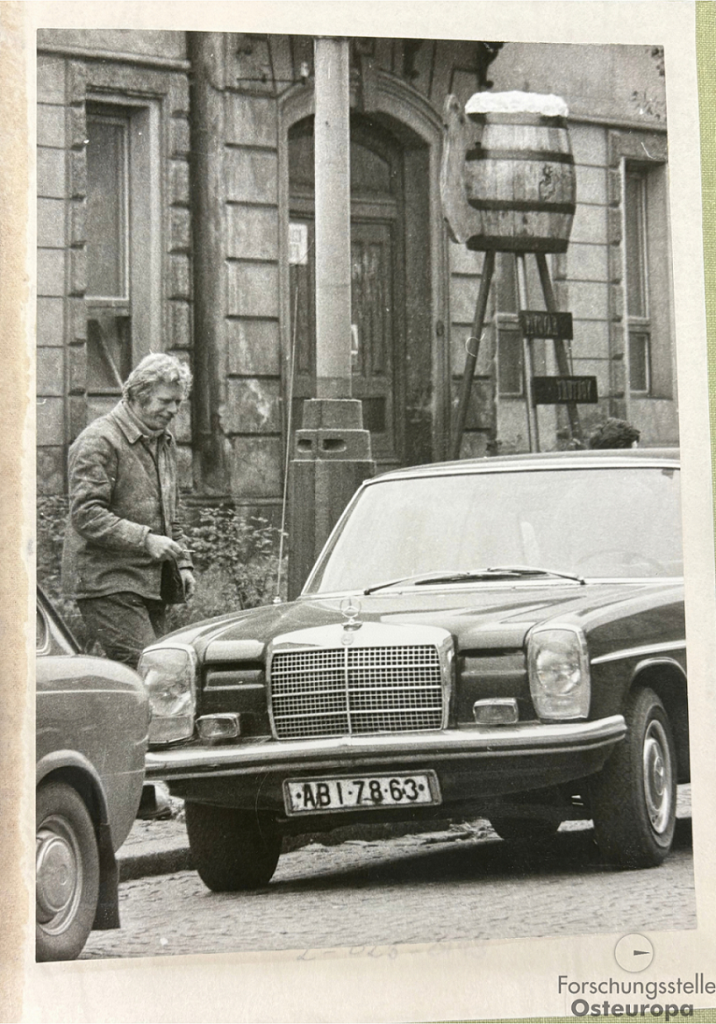
Václav Havel. Archiv der Forschungsstelle Osteuropa, Foto: Muriel Nägler.
Diese beiden Bilder erzählen mehr als nur eine biografische Episode. Der Arbeiter und der Mercedesbesitzer sind ein und dieselbe Person – und genau darin liegt die Pointe. Havel war tatsächlich Hilfsarbeiter, zugleich war er ein seit 1969 mit einem Berufsverbot belegter und im eigenen Land totgeschwiegener erfolgreicher Schriftsteller. Die Fotografien machen sichtbar, was das offizielle Bild der „sozialistischen Gesellschaft“ unsichtbar machen wollte: Die vielschichtige menschliche Existenz ließ sich nicht reduzieren auf einen eindimensionalen Träger und stillen Mitläufer eines repressiven ideologischen Systems. Der Arbeiter war Schriftsteller, der Ausgeschlossene war prominent, und der vermeintlich Angepasste war einer der schärfsten Kritiker des Regimes.
Dass gerade diese beiden Fotografien den Brief an Gutáv Husák einrahmen, verleiht der Samizdat-Ausgabe eine eigene, beinahe schelmische Bildsprache. Zwischen dem Mann mit dem Sack und dem Mann mit dem Mercedes liegen nur wenige Seiten, aber eine ganze Welt gesellschaftlicher Paradoxien.
P.S.: Vierzehn Jahre später, 1989, musste Gustáv Husák unter dem Druck der Samtenen Revolution zurücktreten. Václav Havel wurde zum letzten Präsidenten der Tschechoslowakei und 1993 zum ersten demokratisch gewählten Präsidenten der Tschechischen Republik gewählt.
Heidrun Hamersky
Lesetipps
Václav Havel: Vaněk-Trilogie. Audienz – Vernissage – Protest. Theaterstücke. Reinbek 1989.
Václav Havel: Fernverhör. Ein Gespräch mit Karel Hvížďala, Reinbek 1990.
Michael Žantovský: Václav Havel: In der Wahrheit leben - Die Biographie, Berlin 2016
Heidrun Hamersky ist Kunsthistorikerin, Slavistin und ehemalige Mitarbeiterin der FSO. Sie promovierte an der Universität Bremen zum fotografischen Werk Ivan Kyncls im Kontext der Bürgerrechtsinitiative „Charta 77“. Sie ist Geschäftsführerin der Graduiertenschule für Ost- und Südosteuropastudien an der Universität Regensburg.
Länder-Analysen
» Länder-Analysen
» Eastern Europe - Analytical Digests
Discuss Data
Archiving, sharing and discussing research data on Eastern Europe, South Caucasus and Central AsiaForschungsnetzwerk
Studies on Conflicts and AuthoritarianismOnline-Dossiers zu
» Erdgashandel
» Hier spricht das Archiv
» Russian street art against war
» Dissens in der UdSSR
» Duma-Debatten
» 20 Jahre Putin
» Protest in Russland
» Annexion der Krim
» sowjetischem Truppenabzug aus der DDR
» Mauerfall 1989